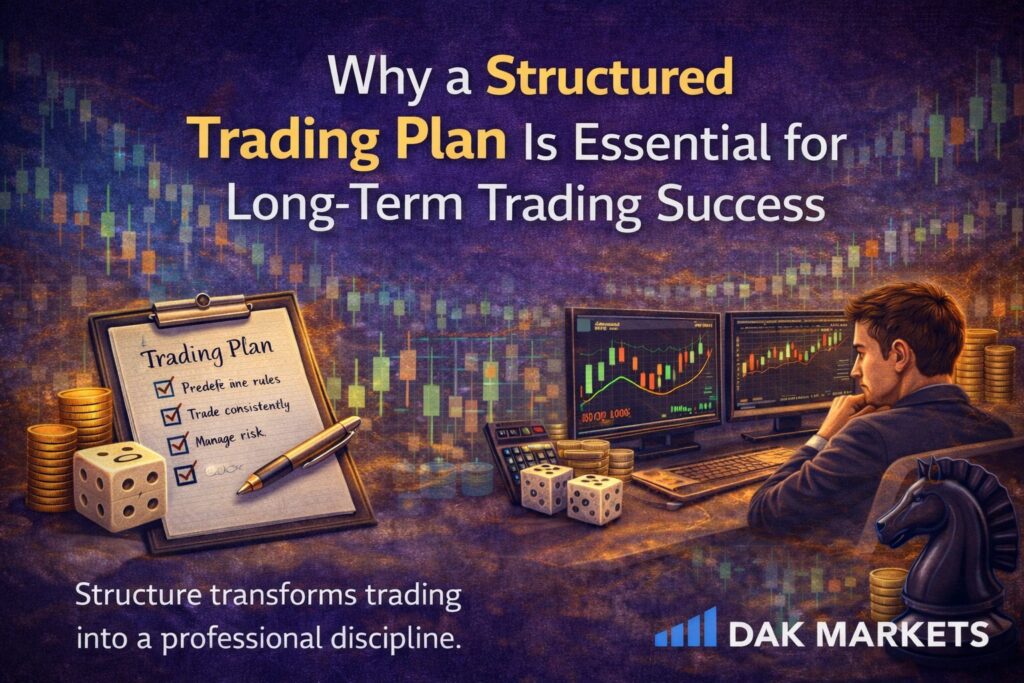
Why a Structured Trading Plan Is Essential for Long-Term Trading Success
At DAK Markets, emotional intelligence defines disciplined trading. Learn how mindset, risk control, and execution consistency drive long-term success.


At DAK Markets, emotional intelligence defines disciplined trading. Learn how mindset, risk control, and execution consistency drive long-term success.

Structured trading plans drive long-term success. Discover how discipline, risk control, and consistent execution create measurable, professional trading performance.

Gold (XAUUSD) is the most traded instrument among modern traders. With deep liquidity, structured volatility, and strong macro relevance, it offers precision-based opportunities across all market sessions. Discover why XAUUSD thrives at DAK Markets.
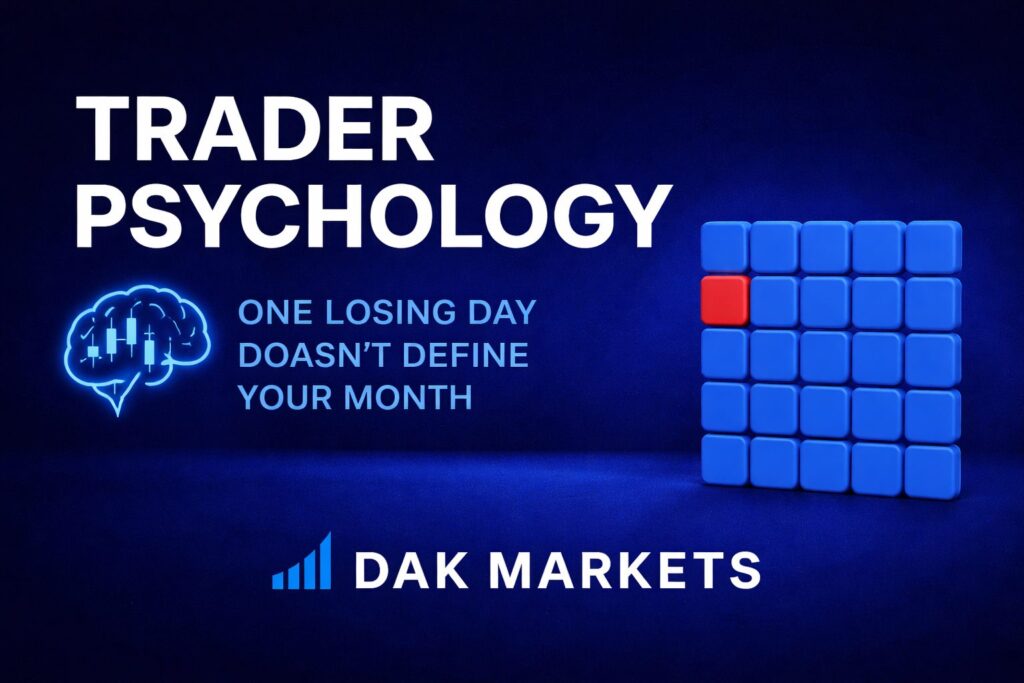
Trader psychology is often the difference between short-term frustration and long-term success. One losing day doesn’t define your month — but how you react to it can. This article explores why consistency, discipline, and emotional control matter more than daily results, and how professional traders stay focused despite losses.
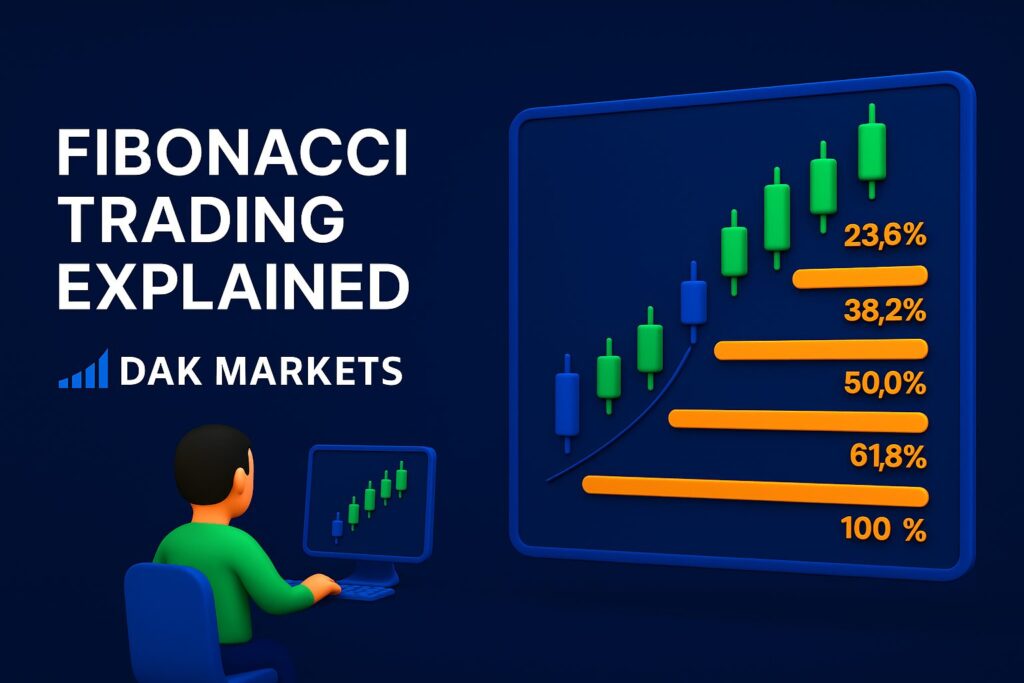
Fibonacci retracements are one of the most powerful tools in technical analysis, helping traders identify potential reversal zones, continuation points, and high-probability areas of interest. While widely used across Forex, indices, and commodities, Fibonacci becomes truly effective only when blended with market structure and institutional concepts. In this guide, DAK Markets breaks down how Fibonacci levels work, why they matter, and how to apply them with precision in today’s fast-moving markets.
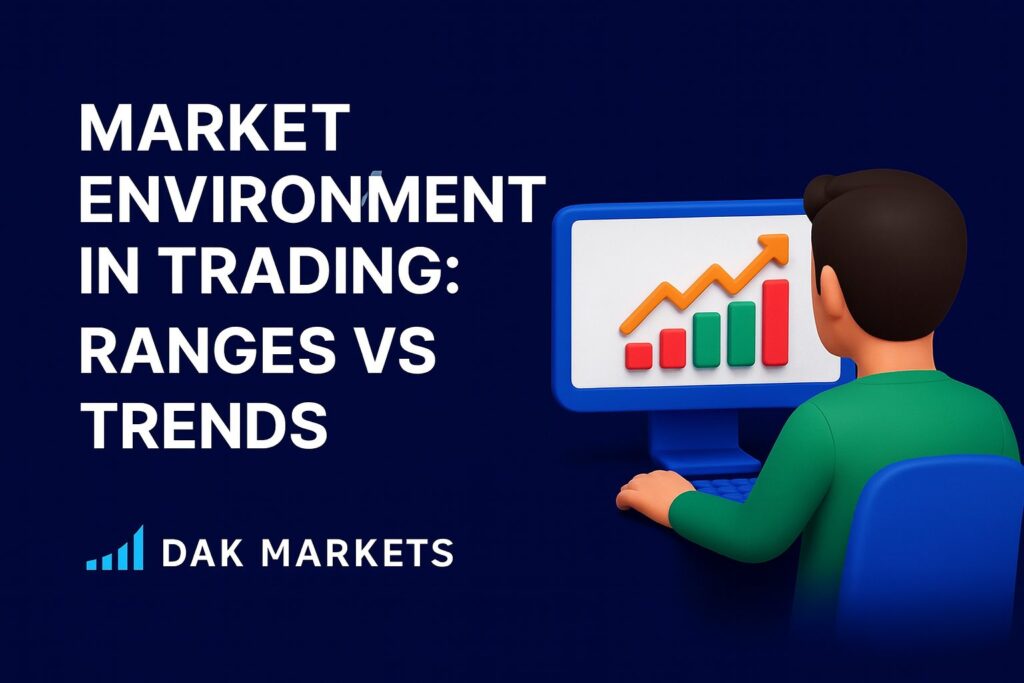
Understanding whether the market is trending or ranging is one of the most crucial skills a trader can master. Your entire strategy—entries, exits, risk management, and trade selection—depends on accurately reading the market environment. In this guide, DAK Markets breaks down the core differences between trends and ranges, how to identify each quickly, and how traders can adapt their approach to maximize profitability in any condition.
Choosing the right chart type can dramatically improve your trading accuracy. While most traders rely on basic candlesticks, the reality is that each chart style—such as Renko, Tick, Range, Bar, and Heikin Ashi—reveals a different story about market behavior. In this guide, DAK Markets breaks down how each chart type works, when to use it, and which trading styles benefit the most, helping you analyze markets with more precision and confidence.
Understanding whether the market is trending or ranging is one of the most important decisions a trader must make before executing any strategy. While trend trading focuses on momentum and capturing strong directional moves, range trading thrives in sideways conditions where price oscillates between support and resistance. Each environment requires a completely different approach — and applying the wrong strategy at the wrong time is one of the biggest reasons traders struggle. In this guide, we break down how to identify the current market environment and which trading style works best in each scenario, helping you adapt with precision and improve long-term consistency.
This month’s Non-Farm Payrolls report faced an unusual delay, shifting one of the most market-moving economic releases to a non-standard date. In this article, we break down the reasons behind the postponement, how it affects global market volatility, and why trading during NFP can expose traders to extreme risk. Whether you’re trading Forex, gold, or indices, understanding these dynamics is essential to protecting your capital during high-impact news events.
Understanding margin trading is essential for every trader who wants to manage risk effectively and trade with confidence. This guide breaks down how margin, leverage, and account metrics work together to shape your overall exposure in the market. By mastering these concepts, traders can protect their capital, avoid margin calls, and build a disciplined, long-term trading strategy.